Weapon database: 30 blades by family
Facts checked 2026-10-28
There are 30 primary blades across regular, long and dual swords, each with a unique weapon skill. Upgrades run to level 30; Tempering strips a weapon back and returns the materials.
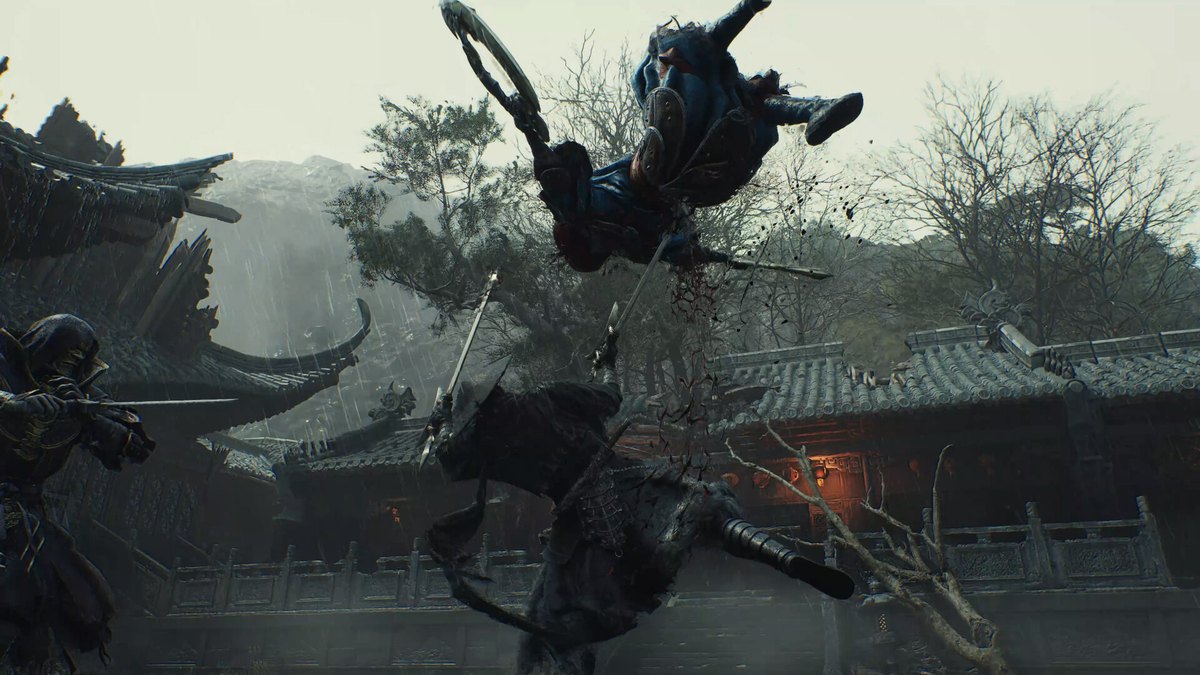
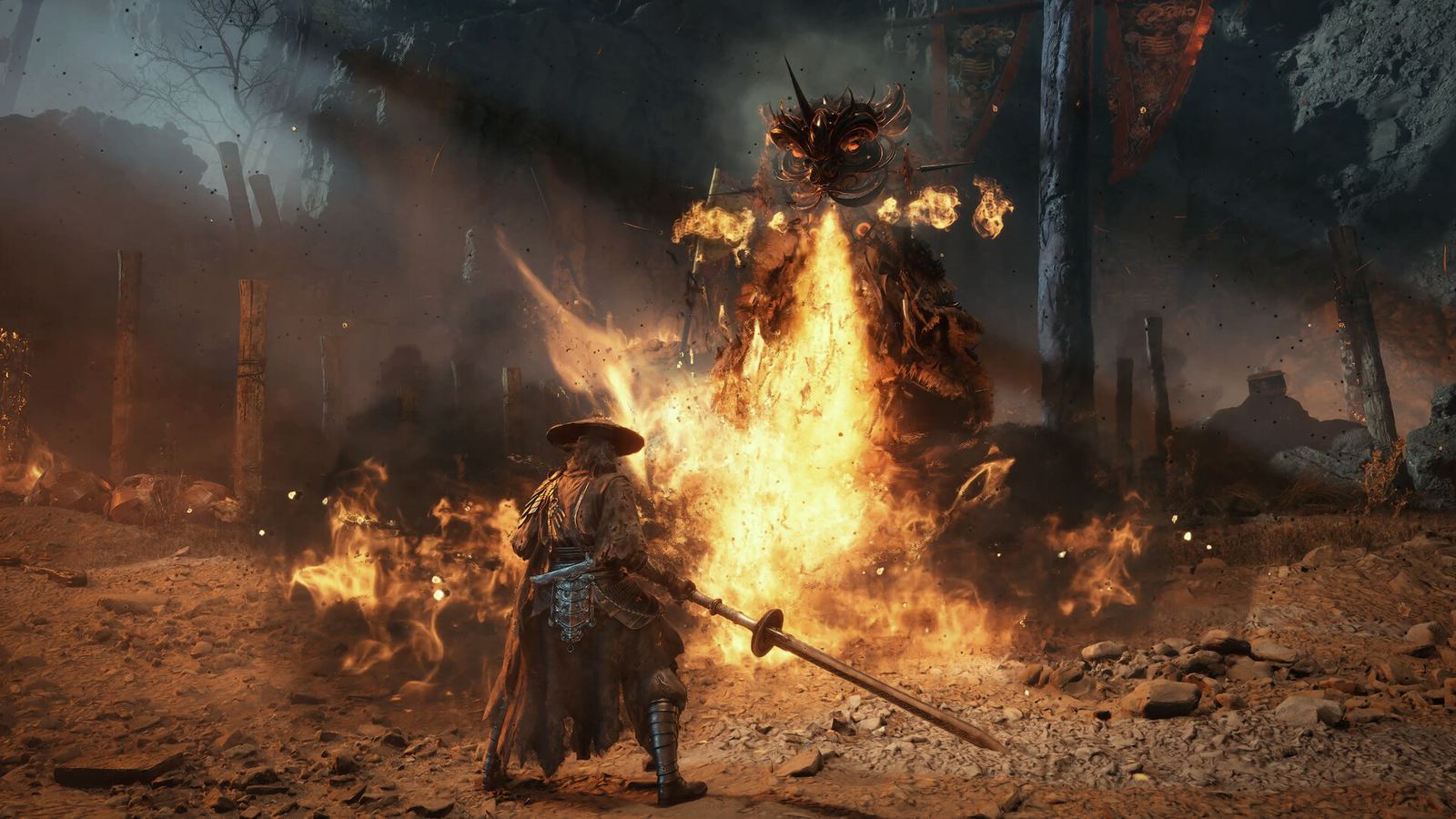
Phantom Blade Zero ships with 30 primary weapons — S-GAME's own copy says "over 30" — and they are all blades, split into three families: regular swords, long swords and dual swords. Every one has its own moveset and its own weapon skill, so the family tells you the range and rhythm, not the whole story.
This page is the sortable view: what the families do, the named blades confirmed so far, and the upgrade rules that apply to all 30. Exact damage numbers are not published by the game, so none are printed here.
The three families
| Family | Range and speed | What it is for | Trade-off |
|---|---|---|---|
| Regular sword | Medium range, balanced speed | The default; safest first investment | No extreme in either direction |
| Long sword | Longer reach, slower recovery | Closing distance, punishing whiffs | Whiffed swings cost you tempo |
| Dual swords | Short range, high hit count | Post-break damage, pressure | You have to get close and stay there |
Dual blades are the family that rewards the sha-chi loop most: more hits per window means more posture damage and faster breaks. Long swords reward patience, because the reach lets you hit a boss during recovery frames you cannot reach with anything shorter.
Named blades confirmed so far
| Weapon | Family | Identity |
|---|---|---|
| White Serpent & Crimson Viper | Dual | Paired blades: one strikes, the other orbits and cuts |
| Soft Snake Sword | Regular | Flexible blade that coils around attacks; functions as whip and sword |
| Drunken Sword | Regular | Built around late dodges and heavy counters; Soul staggers as if drunk |
| Juggernaut | Heavy-leaning | Builds a charge on each successful parry, then spends it on a sweeping cleave |
| Seamless Death | Regular | Heavy attack throws chakrams for ranged pressure |
| Jagged Steel | Regular | Serrated blade in the same family as Sanguine |
| Sanguine / Sanguine Twin / Sanguine Reach | Regular / Dual / Long | Three takes on one design, one per family |
| Scarlet Wraithblade | Regular | Explosion-oriented; its level 10 upgrade adds Hidden Thorns |
That is nine entries covering more than nine of the 30, because the Sanguine name covers three weapons. The rest are found through progression and optional levels rather than handed to you at the start.
What every weapon shares
- Two equipped slots. You carry two primaries and swap mid-combo; the weapon switching page explains the swap attack and cooldown.
- A unique weapon skill. Two blades in the same family can play completely differently because of it.
- Upgrade levels to 30. Materials such as Broadplate Metal and Solvent raise damage and guard break, and set levels unlock new effects.
- Tempering. A reset that returns the materials you invested, so experimenting is affordable. See upgrades and Tempering.
How to choose
Pick by the problem you keep having, not by a tier list. Dying because the boss walks away? Take reach. Dying because you cannot finish a break window? Take dual blades. Dying because you cannot parry consistently? Take Juggernaut and let parries charge a cleave you can actually land.
Then invest in that one weapon until level 30. The trophy list asks for one weapon at level 30 and Tempering on ten weapons, which is a hint about how the game expects you to play: one main, many experiments.
FAQ
Are there non-blade primary weapons?
No. Every primary weapon is a blade; the non-blade arsenal — bows, cannons, axes, hammers — lives in the Phantom Edge slot.
Do all 30 weapons have unique movesets?
Yes, per S-GAME and the launch build. Even within a family, weapons differ in speed, recovery and skill.
Which weapon should I upgrade first?
The one you can parry with. Upgrade cost is small early and steep late, and a familiar moveset is worth more than a higher damage number.
Can I get every weapon in one playthrough?
The 30 are spread across story progression and optional levels, and several come from bosses. Missing one usually means missing an optional area, not a branch.